Expect three hours of masked wrestlers, dives over the top rope, booming entrances and a crowd that takes sides loudly. Bring pesos for beer, a layer for the air conditioning, and leave the big camera at home.
A Friday night, hour by hour
- 18:30
Tacos first
Eat before you go. There is food inside but it is snacks. Tours start around now in Roma Norte.
- 19:30
Arrive at Dr. Lavista
Box office queues, mask stalls along the pavement, touts. Ignore the touts.
- 20:00
Doors and security
Bags checked, pat-down. An usher in blue overalls walks you to your seat; tip them a few pesos.
- 20:30
First bout
The undercard: rookies and minis. Vendors start working the aisles with beer and snacks. Cash only.
- 21:30
Trios
Six-man tag matches, best of three falls. The crowd has picked its side by now.
- 22:15
Main event
The headliners, the loudest entrances, the biggest dives over the top rope.
- 22:45
Out
16,000 people leave at once. Wait ten minutes or walk with the crowd to Avenida Cuauhtémoc for your ride.
Is lucha libre real?
The outcomes are decided in advance, as in all professional wrestling. The athleticism is completely real: the flips, dives and falls are performed by trained athletes, and injuries are part of the job.
The best way to watch it is as theatre with real stunts. Every match tells a simple story of good against evil, the wrestlers play to the crowd, and the crowd plays its part by cheering, booing and heckling. Nobody in the arena is confused about what kind of show it is, and nobody cares.
Técnicos and rudos
Every luchador is on one side or the other, and you will know which within seconds of their entrance.
Técnicos
The heroes. Clean, technical, spectacular in the air. They wait their turn, obey the referee and get the cheers.
Rudos
The villains. They cheat, brawl, gang up, argue with the referee and taunt the crowd. They get the boos, and the best ones love it.
Pick a side early. Booing a rudo with 16,000 strangers is half the fun.
Why the masks matter
In lucha libre the mask is the wrestler. Many luchadores never appear in public without it, and keep their real names out of the spotlight for their whole careers. El Santo, the most famous luchador of all, was buried in his silver mask in 1984.
That is why the biggest matches are luchas de apuestas, bet matches, where a wrestler puts their mask on the line. Lose, and they unmask in the ring in front of everyone, for good. CMLL saves these for special events like the September Aniversario. Where the masks came from
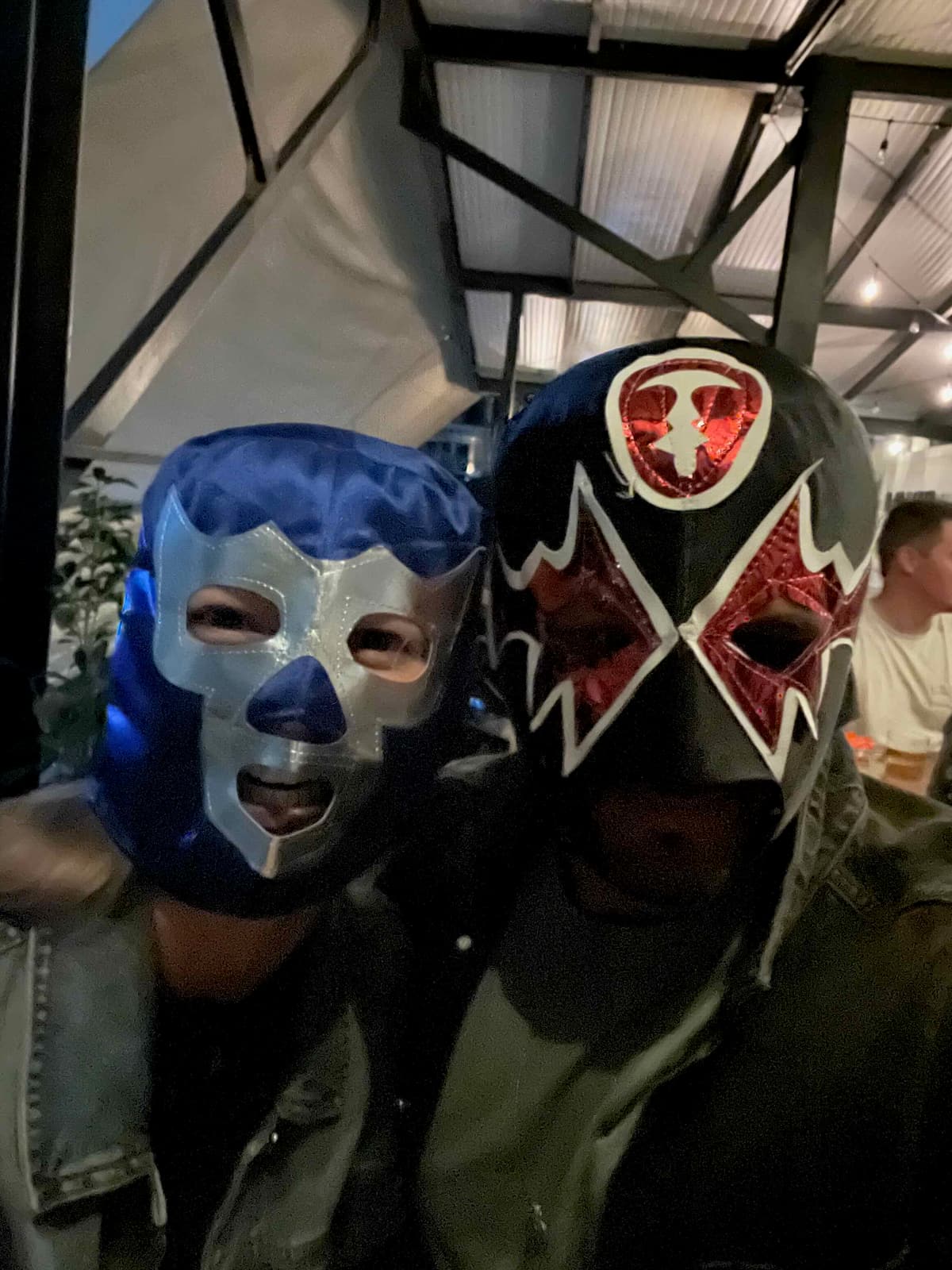
You will want one. The stalls along Dr. Lavista outside the arena sell masks of current stars and the old legends, and they cost less there than inside. Most tours include one.
How a match works
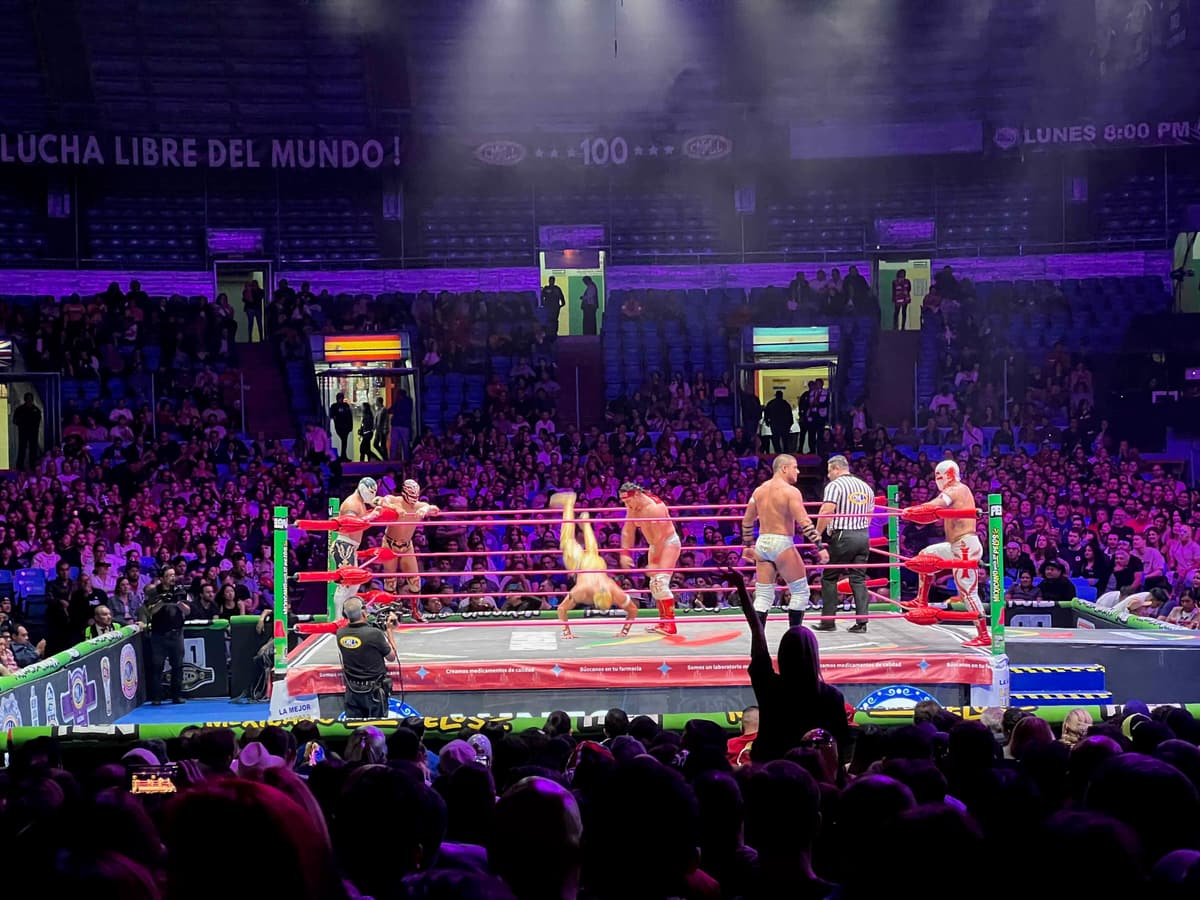
- Trios. Many matches are six-man tag teams, three against three, with partners tagging in and out. Expect chaos.
- Best of three falls. The bigger matches go to two falls out of three, by pin or submission, so the lead can swing back and forth.
- Building to the main event. The card starts with younger wrestlers and builds to the headliners around 10pm on a Friday.
- Minis. CMLL has a division of smaller wrestlers, the Mini-Estrellas, who are some of the fastest and most acrobatic on the card.
Beer, food and vendors
You cannot bring food or drink in. You do not need to: vendors walk the aisles all night selling beer, soft drinks, popcorn and snacks, and serve you in your seat.
It is snack food, not dinner, so eat first. Roma Norte is the obvious place. Our best tacos in Mexico City
The rules
- Cameras: no professional cameras or detachable lenses. Phones are fine.
- Filming: short clips are fine; film for too long and staff may ask you to stop.
- Food and drink: nothing from outside.
- Bags: searched at the door, with a pat-down. Bring as little as you can.
What to wear and bring
- A layer. The air conditioning is strong, even on a warm night.
- Pesos in small notes for beer, snacks, tips and masks.
- Your phone for photos, and to book your ride home.
- Nothing else. Comfortable clothes and a small bag at most.
The crowd
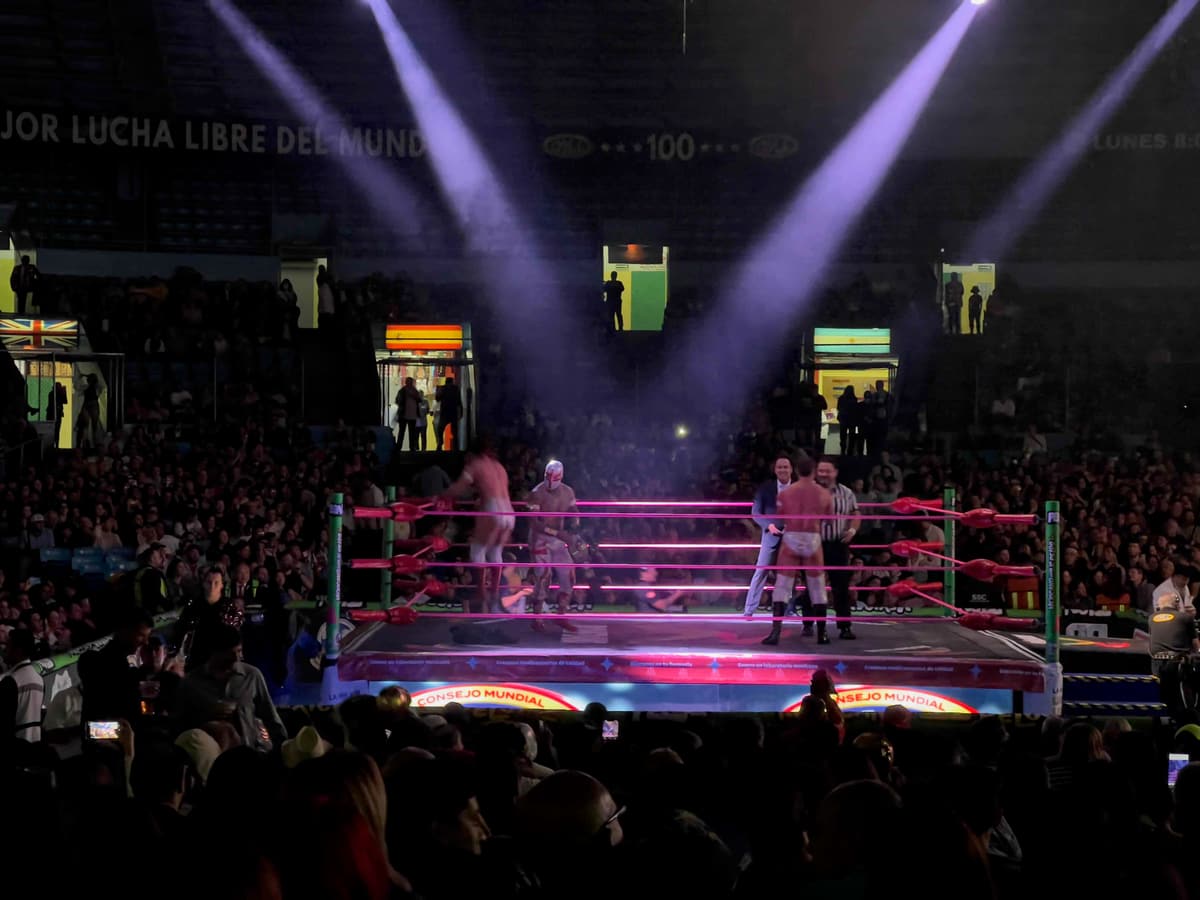
A lucha libre crowd is a cross-section of the city: families with kids in masks, groups of friends, regulars who have been coming for decades. The heckling of the rudos is relentless and the language can be colourful. Nobody minds if you do not understand a word. Cheer when they cheer.
On-the-night questions
Is lucha libre real?
The results are scripted, like all professional wrestling, but the athleticism is real. The dives, flips and falls are performed for real by trained athletes, and injuries happen.
How long does a lucha libre show last?
About two and a half to three hours. A Friday show starting at 8:30pm finishes around 10:45pm.
Can I take photos at lucha libre?
Phone photos and short videos are fine. Cameras with detachable lenses are not allowed, and staff may stop you filming long clips.
Can I bring food or drink into Arena México?
No. Vendors sell beer, soft drinks and snacks at your seat, cash only, so bring pesos.
Is lucha libre suitable for children?
Yes. Sunday is the family show, with an earlier 5pm start. The language from the stands can be colourful on any night.
Where can I buy a lucha libre mask?
From the stalls lining Dr. Lavista outside Arena México, which are cheaper than the stands inside. Most tours include one.
What is CMLL?
Consejo Mundial de Lucha Libre, founded in 1933 and the oldest professional wrestling promotion still running. It owns and runs both Arena México and Arena Coliseo.